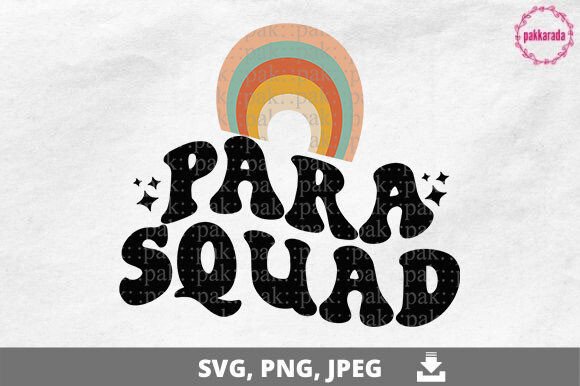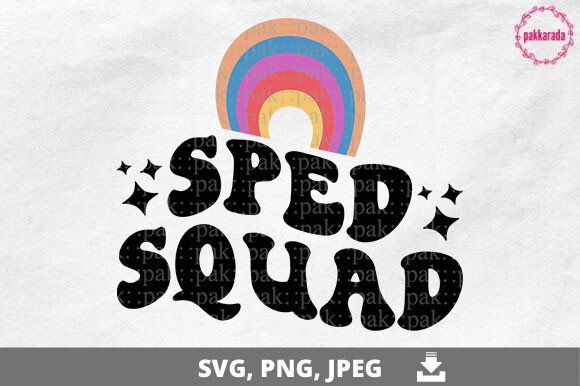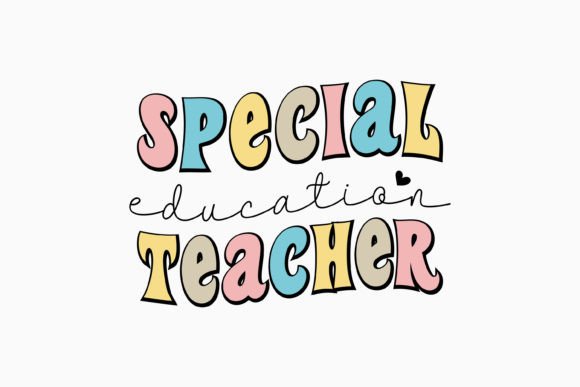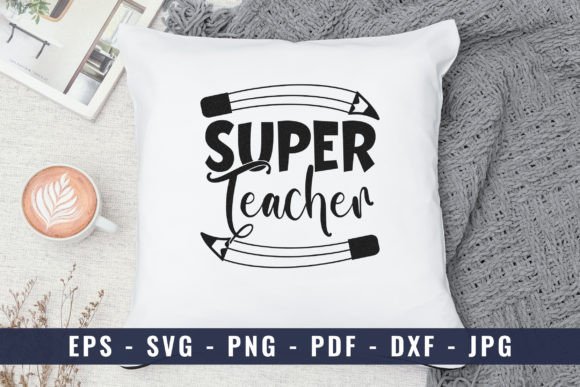
Special Education Teacher PNG Design
As a designer who spends more time staring at stitch patterns than sleeping, I have learned to be skeptical of any digital asset that promises too much. When I first pulled up the Special Education Teacher PNG Design, my immediate reaction was one of cautious optimism. In the world of machine embroidery, "unique" is a word that is often overused and rarely earned. Most designs in this niche are either overly complex, resulting in a tangled mess on fabric, or so simple they lack character. This file, however, struck a balance that suggests it was created with actual stitching in mind, not just as a flat graphic for a t-shirt print.
The primary value of this design lies in its versatility within the Crafts category, specifically targeting the Graphics aspect of digital product creation. The inclusion of SVG, PNG at 300 dpi, and EPS formats provides a robust toolkit for different workflows. For the embroidery designer, the SVG is crucial for scaling without quality loss, while the high-resolution PNG serves as an excellent reference for thread color placement. It feels like a complete package rather than an afterthought, which is rare in today’s saturated market of digital downloads.
First Impressions and Visual Personality
When evaluating any embroidery file, the first thing I look for is clarity. Does the design communicate its message instantly? The Special Education Teacher PNG Design succeeds here by combining strong typography with supportive graphical elements. The visual personality is warm, encouraging, and professional. It avoids the cliché of being overly childish, which allows it to appeal to veteran educators as well as new graduates. This broadens its potential customer base significantly.
The layout is clean, leaving enough negative space for the stitches to breathe. This is critical because dense clusters of thread can distort lighter fabrics or create bulk that is uncomfortable against the skin. The design seems to favor a mix of satin stitch for outlines and lettering, paired with fill stitch for any solid shapes. This combination typically yields a crisp, high-end look that elevates the perceived value of the final item. It doesn’t scream for attention; instead, it invites the viewer to appreciate the craftsmanship, which is exactly what you want in a premium handmade product.
Real-World Application: From Screen to Stitch
To truly understand the utility of this design, we need to move beyond the screen and imagine it in production. Let’s say you are preparing a batch of custom gifts for a local school district’s end-of-year appreciation event. You decide to create embroidered tote bags for the staff. The Special Education Teacher PNG Design fits perfectly here. The aspect ratio works well centered on a canvas tote, and the colors—assuming you select complementary threads—will pop against neutral fabric tones.
However, the true test comes when you consider smaller, more intimate items. Imagine creating personalized baby onesies or burp cloths for a teacher who is expecting. The design’s details must hold up at a smaller scale. Because the source files include vector formats (SVG/EPS), you can scale down the artwork to fit a small chest area on a onesie without pixelation. But remember, embroidery has physical limitations. What looks good as a tiny graphic on a screen might become illegible if the stitch density is too high for such a small area. This is where the preview capability of the PNG file is invaluable for planning your digitization process.
I also see strong potential for this design in home decor. A pillow cover featuring this motif adds a personal touch to a classroom or a teacher’s home office. Similarly, kitchen towels used as holiday gifts benefit from the durability of embroidery. Unlike ink, which can fade or crack, embroidered designs withstand frequent washing, making them a practical choice for functional items like aprons or tea towels. The design’s theme aligns beautifully with the concept of nurturing and care, resonating emotionally with recipients.
Where Caution Is Required
No design is universally perfect, and understanding the limitations is part of being a professional. There are specific scenarios where the Special Education Teacher PNG Design might present challenges. If you attempt to embroider this on highly textured fabrics, such as heavy tweed or loose-weave burlap, the stability of the stitches could be compromised. The design likely relies on a smooth surface for the fine lines of text to remain legible.
Furthermore, avoid placing this design on stretchy materials like thin jersey knits without proper stabilization. Stretch can cause the design to pucker or distort, ruining the clean aesthetic. Small hoop sizes are another consideration. While the design is versatile, extremely small hoops may force you to crop out essential parts of the message or decorative elements. Always check the dimensions relative to your machine’s capabilities before committing to a full run.
Dense stitch areas should be monitored closely. If the original digitization includes large blocks of fill stitch, ensure that your chosen fabric can support the weight of the thread. On delicate fabrics, this can lead to visible distortion on the reverse side. Additionally, if you are using dark fabrics, pay close attention to the contrast between your thread colors and the background. The design’s effectiveness relies heavily on readability, so low-contrast combinations should be avoided.
Strategic Value for Sellers and Creators
For Etsy sellers and small shop owners, the Special Education Teacher PNG Design offers significant commercial potential. It taps into a dedicated niche market that values recognition and sentimentality. Teachers often seek out products that validate their hard work, and a well-executed embroidery project can serve as a powerful token of appreciation.
Using this design allows you to create a cohesive brand identity. Whether you are selling finished goods or offering a custom apparel service, consistency in quality builds trust. Customers can tell the difference between a rushed job and one that has been carefully planned. By testing the design on scrap fabric first, checking thread color contrast, and inspecting small details, you demonstrate professionalism. This attention to detail translates directly into positive reviews and repeat business.
The availability of multiple file formats also supports digital product sales. You can offer the design as a digital embroidery file for other crafters to use, expanding your revenue streams. However, it is imperative to confirm licensing terms before engaging in commercial activities. Ensure that you have the right to sell finished items made from this design, as restrictions vary among creators. Clear communication about usage rights protects both you and your customers.
Practical Designer Notes
- Test on Scrap Fabric: Never assume how a design will behave until you have stitched it out. Test for puckering, tension issues, and color accuracy.
- Check Stabilizer Usage: The choice of stabilizer (cut-away vs. tear-away) can make or break the final result. Use the appropriate type for your fabric weight.
- Review Stitch Density: High density can cause stiffness, while low density may show through light fabrics. Adjust settings if necessary.
- Black and White Mockups: Convert the design to grayscale to ensure sufficient contrast between elements, especially for text-heavy sections.
- Confirm Licensing: Verify whether the purchase includes commercial rights for selling finished products.
In conclusion, the Special Education Teacher PNG Design is a thoughtful addition to any designer’s library. Its balanced composition, clear messaging, and versatile format make it suitable for a wide range of projects, from personal gifts to boutique merchandise. By approaching its use with careful planning and technical precision, you can create handmade products that resonate deeply with your audience and stand the test of time.