Good Job Sticker - Brave Embroidery Review
When I sit down to evaluate a new digital asset for my studio, I am rarely looking at pixels. I am looking at stitches. I am thinking about how thread interacts with fabric, how the tension holds up on a curved seam, and whether the final product will make a customer smile or feel confused by the design intent. This is the lens through which I review Good Job Sticker - Brave. It is marketed as a graphic for artists and crafters, but for those of us working in machine embroidery, it represents a specific challenge: translating a flat, sticker-like aesthetic into a tactile, stitched reality.
First Impressions and Visual Personality
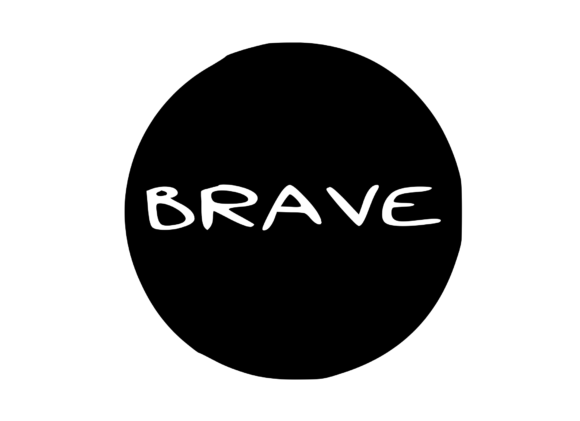
The moment you open the file for Good Job Sticker - Brave, the vibe is immediate. It carries that distinct "sticker" energy—bold, clean, and slightly playful. The layout suggests a badge or a label, which inherently lends itself to being a focal point. For an embroidery designer, this is both a blessing and a slight hurdle. The design relies on clear lines and legible text, which means it demands precision. If the stitch density is too high, the lettering might bunch; if it is too low, the "sticker" look might dissolve into messy thread.
Mood-wise, it feels encouraging and celebratory. It is not subtle. It is designed to be seen. This makes it an excellent candidate for products where visibility is key. The visual personality fits perfectly into the realm of handmade gifts, motivational home decor, and small business branding. It does not try to be elegant or vintage; it tries to be direct and cheerful. In my experience, designs that communicate their message instantly tend to perform better in commercial settings because they reduce cognitive load for the buyer.
Real-World Application: Where Does It Shine?
I recently tested this concept on a series of mockups to see where Good Job Sticker - Brave would truly excel. The most natural fit? Custom tote bags. There is something inherently satisfying about seeing a bold, positive message stitched onto canvas. The texture of the cotton twill contrasts beautifully with the smoothness of satin stitching, giving the "sticker" effect a premium, handmade quality.
Beyond totes, this design has strong potential in the baby and nursery market. A sweatshirt or a onesie featuring this motif can serve as a heartfelt gift for new parents or teachers. The phrase "Brave" combined with the supportive "Good Job" creates a narrative of encouragement that resonates deeply with buyers looking for personalized gifts. It works equally well on aprons for kitchen crafters or even as an embroidered patch for denim jackets, adding a touch of personality to everyday wear.
For Etsy sellers and small shop owners, this design offers versatility. It is not niche-specific. It can be applied to holiday gifts, wedding favors, or corporate team-building merchandise. The broad appeal reduces risk for inventory planning. You are not betting on a trend that will fade in three months; you are investing in a timeless sentiment rendered in a modern style.
Technical Considerations and Stitch Behavior
As we move from concept to execution, several technical factors come into play. When digitizing or using an existing machine embroidery design based on Good Job Sticker - Brave, the stitch type is critical. The outer border likely benefits from a dense satin stitch to mimic the edge of a die-cut sticker. Inside, if there are filled areas, a fill stitch should be used sparingly to avoid puckering, especially on lightweight fabrics.
The text elements require careful attention. If the design includes smaller lettering, I strongly advise testing the stitch density. On stretchy fabrics like jersey knit, tight stitching can cause distortion. In such cases, a running stitch outline or a lighter fill may preserve the shape better than a heavy block of thread. Always check your hoop size constraints before starting. If the design is large, ensure your machine’s hoop can accommodate it without needing to re-hoop, which can misalign the pattern.
Fabric choice is another pivotal element. This design looks best on stable, medium-weight fabrics. While it can work on light fabrics, you must use a proper stabilizer—cut-away for woven fabrics to prevent shifting over time, or tear-away for temporary stability during stitching. On textured fabrics like terry cloth or bouclé, the fine details of the sticker design may get lost. The thread might sink into the weave, obscuring the crisp lines that give the design its character.
Where Caution Is Required
There are scenarios where Good Job Sticker - Brave might not be the optimal choice. Avoid using this design on highly curved surfaces like baseball caps unless the digitization specifically accounts for the curve. Flat designs often look distorted when forced onto a 3D surface. Similarly, be cautious with very small hoop sizes. If the design relies on intricate corner details, shrinking it down for a tiny project (like a hair clip or a small pin) will result in a muddy, indistinct image.
Dark fabrics present a contrast challenge. If the original graphic is white or light-colored, you will need to choose a bright, opaque thread color to maintain the "sticker" pop against a dark background. Conversely, if the design is dark, it may disappear on black fabric unless you use a contrasting underlay or a different thread palette. Always test thread colors on scrap fabric first. What looks good on screen can look dull in person depending on the sheen of the polyester or rayon thread you choose.
Impact on Product Value and Branding
From a business perspective, using Good Job Sticker - Brave can elevate your handmade product offerings. Customers associate visible craftsmanship with higher value. A well-executed embroidery job signals care and attention to detail. When a buyer receives a tote bag or a pillow cover with this design, they are not just buying an object; they are buying the sentiment behind it. This emotional connection drives repeat purchases and word-of-mouth referrals.
For Etsy sellers and digital product sellers, this design also serves as a versatile asset. It can be used to create printable mockups for marketing materials, allowing you to showcase the design in various contexts without physically producing every item. This is crucial for validating demand before committing to bulk production. Furthermore, if you are selling design assets or digital embroidery files, this theme appeals to a wide audience of hobbyists and professionals alike.
Practical Designer Notes for Success
- Test Before Committing: Never run a full production batch without stitching a sample on the actual fabric you intend to sell. Check for thread breaks, tension issues, and color accuracy.
- Review in Black and White: Convert your design file to grayscale to check contrast. If the text blends into the background in monochrome, it will struggle in color.
- Check Licensing: Before listing any commercial embroidery items, verify the license terms of the source file. Ensure you have the right to sell finished goods made from the design.
- Inspect Small Details: Zoom in on the digitized file. Are any corners overly sharp? Are any paths overlapping unnecessarily? Clean up minor errors before stitching.
- Consider the End User: Will the item be washed frequently? If so, ensure the stabilizer is fully removed and the edges are secured to prevent fraying.
In conclusion, Good Job Sticker - Brave is a solid, market-ready design for embroidery enthusiasts and small business owners. Its strength lies in its clarity and positive messaging. By paying attention to fabric selection, stitch density, and finishing techniques, you can transform this simple graphic into a professional, high-value embroidery project that stands out in a crowded marketplace. Whether you are making gifts for loved ones or building a brand identity for your craft business, this design provides a reliable foundation for creative expression.